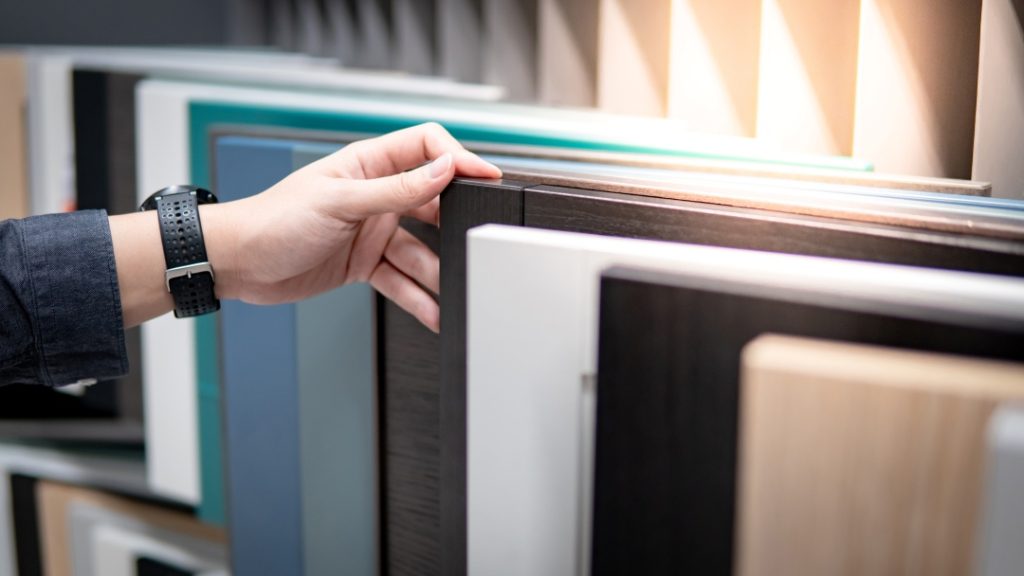
The finish you choose for your cabinets plays an important role in the overall look of your space. It also impacts your maintenance and cabinet refinishing San Jose CA costs over time.
Quality paint finishes and proper preparation make all the difference. Kitchens collect grease and oil and require degreasing, sanding, and the use of a high-quality bonding primer for cabinetry.
Satin
Whether you want to spruce up your kitchen or simply refresh your bathroom, choosing the right finish is crucial. The right paint can provide a durable, long-lasting surface that stands up to repeated cleaning and scrubbing. However, there are many different finishes on the market, so it’s important to choose the right one for your lifestyle and design goals.
Among the most popular cabinet paint finishes, satin provides a delicate luster that’s easy to clean. It’s ideal for hallways and family rooms where walls endure high foot traffic. This finish also highlights architectural details, turning trim, doors, and cabinets into accent pieces. However, because satin reflects more light than eggshell, it can highlight wall imperfections and brush or roller marks. For this reason, it’s important to prepare your walls thoroughly, using a good quality primer and taking time to sand rough areas to achieve an even coat of paint.
Satin also highlights color variations in wood grain, which can give your kitchen a unique look. This can make a satin finish perfect for homeowners with a rustic, cottage, or country style in mind. However, satin can be difficult to touch up between coats, since the sheen tends to shift slightly depending on temperature and humidity. For this reason, it’s best to choose a satin finish that’s formulated with moisture-resistant ingredients, such as Sherwin-Williams Aura or Benjamin Moore Aura.
Semi-gloss offers an alternative to satin for those seeking a tough, scrubbable paint that’s easy to clean. This finish is designed to stand up to scrubbing, making it an excellent choice for kitchens and bathrooms where food spills, grease stains, and soap scum are common. It’s also more resistant to moisture than satin, meaning it’s a good option for rooms with higher humidity.
As with satin, choosing a semi-gloss formula with moisture-resistant ingredients is essential for this finish to perform well. It’s also important to sand surfaces thoroughly and to use a premium, synthetic brush or roller for the smoothest application. With these tips in mind, a semi-gloss finish is an excellent option for busy kitchens and bathrooms that will endure frequent use and abuse.
A glossy finish is a striking choice that can really make your cabinets pop. Its reflective properties can brighten a room and create the illusion of more space, making it a good choice for smaller homes or those with limited natural light. It’s also a great choice for high-traffic areas because it resists scratches, smudges, and fingerprints more effectively than other finishes.
A glossy finish can show up dust particles more easily than other finishes, so it’s important to keep your cabinets wiped down regularly to prevent buildup. Additionally, it’s best to avoid harsh chemicals and cleaning products that may damage or discolor the glossy finish over time. By following these simple tips, you can enjoy your beautiful, shiny new cabinets for years to come.
Semi-Gloss
If you want a beautiful sheen and durability that holds up to the rigors of daily life, semi-gloss paint is the finish for you. It’s stain-resistant, moisture-resistant and shines nicely to highlight details like trim and wainscoting. It’s easy to wipe down and a good choice for kitchens, hallways or family rooms. However, it may show up more imperfections on surfaces, such as smudges or roller marks, so a professional painting service provider should take extra care to prepare and apply this sheen correctly.
Satin has a soft, creamy sheen that is easy to clean, making it the ideal cabinet finish for areas that see a lot of traffic. This sheen works well with a variety of color options, including pastels and neutrals. It’s a popular choice for family rooms, hallways and kids’ bedrooms. However, it tends to highlight application flaws, such as brush or roller marks and drips. It also requires regular cleaning with a mild cleanser to remove grease and food buildup that can quickly damage surfaces.
Gloss is more reflective than satin, providing a crisp appearance and shining nicely in light. It’s durable and highly stain-resistant, making it ideal for high-traffic spaces like kitchens. It’s also easy to clean, requiring just a mild cleanser and water. Its sleek surface can draw attention to dirt and dust, so thorough sanding and prep work is crucial for a long-lasting sheen. However, this sheen can be vulnerable to scratches and abrasions, especially in mountain homes where heating systems create dry conditions that stress finishes.
Stain offers a rich look that brings out wood’s natural grain patterns and tones, offering a more rustic style for cabinetry. While stain does require sanding and multiple coats of paint, it can be easier to maintain than other types of finishes. It’s important to use a quality oil-based stain that penetrates deep into the fibers and provides rich color. Stain is often followed by a protective topcoat that prevents moisture damage and UV fading.
Choosing the right finish for your cabinets can be overwhelming, but the benefits of refinishing outweigh the cost of new replacements. With the help of professionals, you can reap the rewards of a gorgeous sheen that stands up to harsh weather conditions and frequent use. If you’re ready to get started with your refinishing project, start by removing all hardware from the doors and drawers. Store it in a safe place so you can easily reinstall it later. Next, thoroughly clean the surfaces of your cabinets with a gentle cleaner and damp cloth or sponge. Be sure to pay special attention to the corners and hinges of cabinet doors where grease and grime can accumulate. Finally, tape off the areas you don’t want to paint and cover any other surfaces with plastic sheeting to protect them from accidental paint splatters. Finally, allow the cabinets to dry completely before moving forward with your refinishing project.